Overview
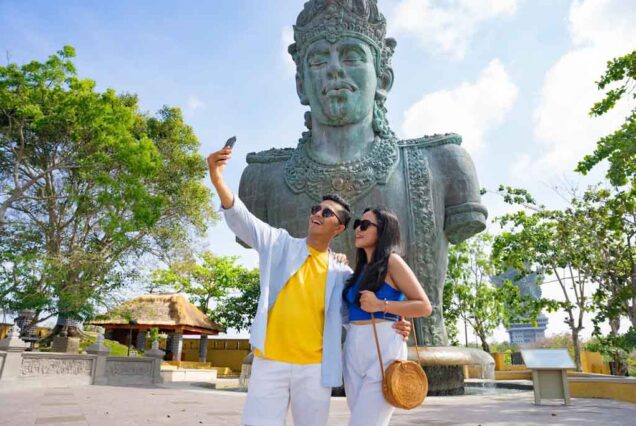
Bali, known worldwide as the Island of the Gods, is a destination filled with surprises, natural beauty, and cultural richness. With its charming beaches, artistic traditions, friendly locals, and endless tourist accommodations, Bali has become a magnet for travelers. Many visitors return again and again, captivated by its unique blend of spirituality, adventure, and modern entertainment.
Located east of Java, Bali is part of the Lesser Sunda Islands, measuring 153 km long and 112 km wide. The island’s highest peak, Mount Agung, is an active volcano that last erupted in 1963. The northern region is rugged and narrow, while the southern lowlands are wide and gently sloping.
Culture & Local Beliefs
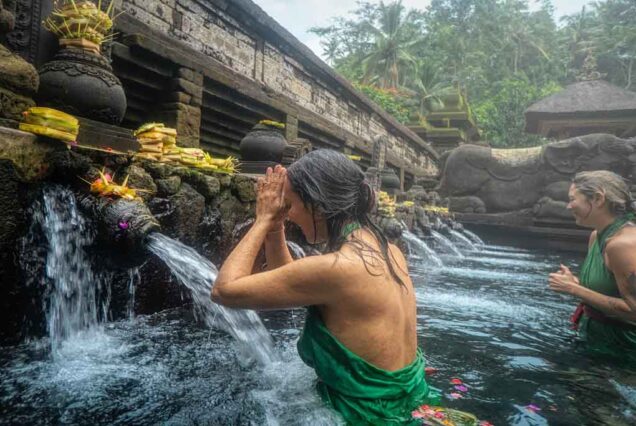
Balinese life is deeply rooted in Balinese Hinduism, a blend of Hindu philosophy, animist traditions, and ancestor worship. Daily offerings called canang sari are placed everywhere — temples, homes, shops — to honor the gods and maintain balance.
- Temples (Pura): Found in every village, from small shrines to grand complexes like Besakih Temple.
- Festivals: Major celebrations include Nyepi (Day of Silence), Galungan, and Kuningan, each reflecting the triumph of good over evil.
- Philosophy: Life is guided by Tri Hita Karana, the principle of harmony between humans, nature, and the divine.
- Art & Dance: Performances such as Barong, Legong, and Kecak are spiritual expressions of mythological stories, often accompanied by gamelan music.
Art & Cultural Attractions
Bali is a living museum of art and creativity.
- Ubud: The cultural heart of Bali, home to museums, galleries, dance performances, and lush rice terraces.
- Handicrafts: Paintings, sculptures, silverwork, and textiles are widely available as souvenirs.
- Daily Rituals: Visitors can witness ceremonies and dances almost every day, making culture an inseparable part of the travel experience.
Annual Ceremonies in Bali
Balinese culture is inseparable from its ritual calendar, with ceremonies happening almost daily at village temples. The most important annual events include:
- Nyepi (Day of Silence): Bali’s Hindu New Year, usually in March. The entire island shuts down for 24 hours — no travel, work, or entertainment. The day before, colorful Ogoh‑Ogoh parades feature giant demon effigies burned to chase away evil spirits.
- Galungan: Celebrated every 210 days, marking the victory of dharma (good) over adharma (evil). Families erect tall bamboo poles called penjor, decorated with offerings.
- Kuningan: Occurs 10 days after Galungan, when ancestral spirits are believed to return to heaven.
- Odalan (Temple Anniversary): Each temple in Bali celebrates its founding day every 210 days, with offerings, dances, and gamelan music.
- Saraswati Day: Dedicated to the goddess of knowledge, celebrated with offerings at schools and libraries.
- Pagerwesi: A spiritual day focused on strengthening inner fortitude against negative forces.
These ceremonies are not just religious but also vibrant cultural spectacles, often open to visitors who respect local customs.
Beaches & Nightlife
Bali’s coastline offers something for everyone:
- Kuta, Legian, Seminyak: Famous for nightlife, discos, pubs, and live music.
- Padang‑Padang & Sanur: Quieter beaches ideal for swimming and relaxation.
- Uluwatu: Known for cliffside views and the famous sunset Kecak Dance.
Despite past challenges such as the Bali Bombing tragedy, the island has remained resilient and continues to thrive as a global tourism hub.
Adventure & Outdoor Activities
For thrill‑seekers, Bali offers endless adventure:
- Rafting: Ayung River and Telaga Waja River.
- Cycling: Morning rides through Ubud’s rice fields.
- Mountain Climbing: Trekking Mount Agung or Mount Batur for sunrise views.
- Water Sports: Surfing, parasailing, snorkeling, diving, and sea walking.
- Wildlife Encounters: Elephant rides and monkey forests.
Bali’s underwater ecosystem is well preserved, making it a paradise for divers and marine enthusiasts.
Transportation in Bali
Getting around Bali is easy with multiple options:
- Private Car & Driver: Flexible and comfortable, ideal for day tours.
- Scooter Rental: Affordable for short distances, but traffic can be hectic.
- Taxis & Ride‑Hailing Apps: Services like Grab and Gojek offer reliable rides.
- Tour Shuttles: Connect popular destinations like Ubud, Kuta, and Sanur.
- Public Transport: Limited; local minibuses (bemos) are less convenient for tourists.
- Airport Transfers: Pre‑arranged transfers recommended for smooth arrivals and departures.
Traditional Balinese Dishes You Must Try
- Nasi Campur: A mixed rice dish served with small portions of meat, vegetables, peanuts, egg, and sambal.
- Babi Guling: Roast suckling pig, marinated with turmeric and spices, often served at ceremonies and special occasions.
- Ayam Betutu: Chicken slow‑cooked in banana leaves with rich spices, a signature ceremonial dish.
- Lawar: A traditional mix of vegetables, coconut, minced meat, and spices, often served with rice.
- Sate Lilit: Balinese satay made from minced fish or chicken mixed with grated coconut and spices, wrapped around bamboo sticks.
- Nasi Goreng & Mie Goreng: Indonesian fried rice and fried noodles, popular everywhere but with Balinese spice variations.
Street Food & Local Snacks
- Bakso: Indonesian meatball soup, often sold by street vendors.
- Pisang Goreng: Fried bananas, a sweet snack found in local warungs.
- Jaja Bali: Traditional Balinese cakes made from rice flour, coconut, and palm sugar.
- Martabak: Savory or sweet stuffed pancake, popular as a late‑night street food.
Vegetarian & Vegan Options
Balinese cuisine is naturally rich in plant‑based dishes:
- Gado‑Gado: Mixed vegetables with peanut sauce.
- Tempe & Tofu Dishes: Widely available in warungs and restaurants.
- Sayur Urab: Steamed vegetables mixed with grated coconut and spices.
Drinks & Desserts
- Es Campur: Shaved ice dessert with fruit, jelly, and syrup.
- Es Kelapa Muda: Fresh young coconut served chilled.
- Arak Bali: Traditional Balinese spirit made from fermented rice or palm sap.
Dining Etiquette in Bali
- Meals are often shared, so expect communal dining.
- Always use your right hand when giving or receiving food.
- Respect offerings (canang sari) placed on the ground — step around them, not over them.
Why Visit Bali
Bali is more than just a destination — it’s an experience. From sacred temples and cultural performances to adrenaline‑filled adventures and vibrant nightlife, the island offers something for every traveler. Once you visit, you’ll understand why Bali is called the Island of the Gods — and why so many people return again and again.